JAPAN Kutani
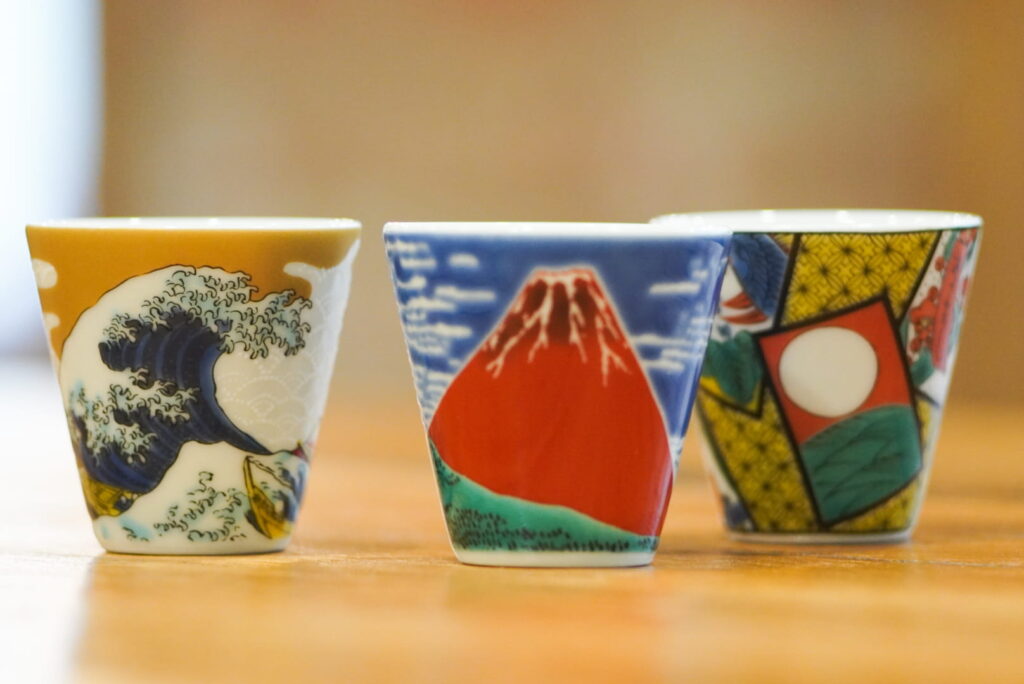
Kutani Ware is one of Japan’s most celebrated styles of traditional porcelain, originating in Ishikawa Prefecture. Its history dates back to the 17th century, when porcelain production began in the Kaga region.
Over time, Kutani ware developed into a distinctive form of ceramic art that reflects the rich aesthetics of Japanese culture. Today, it is widely recognized as an important traditional craft of Japan and is appreciated both domestically and internationally.
One of the defining characteristics of Kutani ware is its vibrant colors and richly decorative painting. Artisans use a palette of bold hues―such as green, yellow, purple, deep blue, and red―to create detailed designs that often cover the entire surface of the piece.
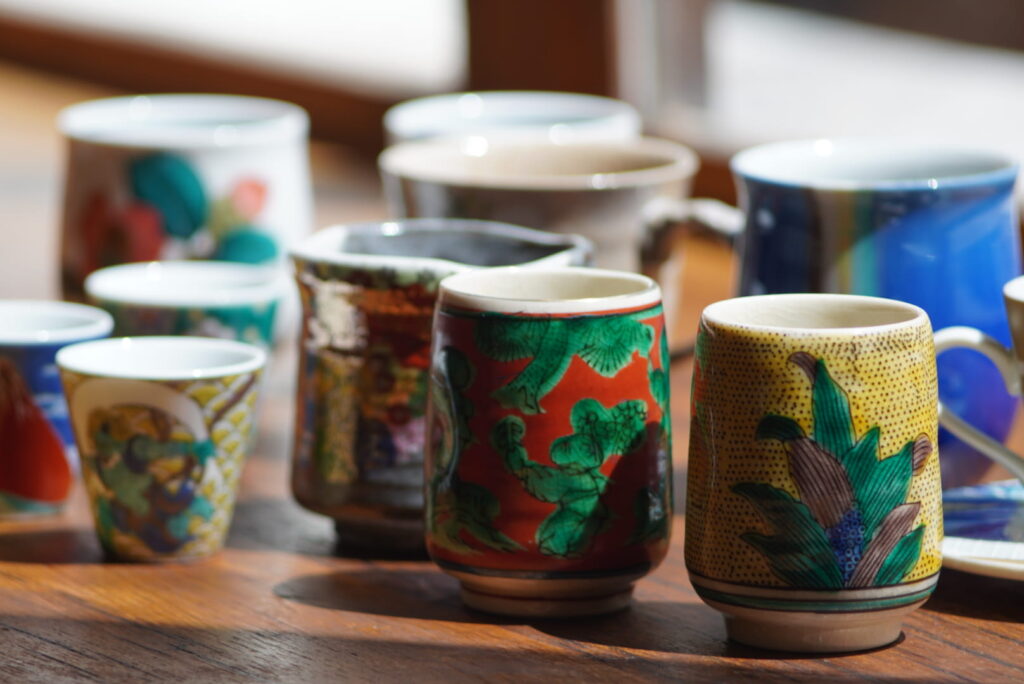
Common motifs include flowers, birds, landscapes, and traditional auspicious patterns. The dynamic brushwork and brilliant colors give Kutani ware a unique artistic presence among Japanese ceramics.
In recent years, Kutani ware has also gained popularity overseas under the name “Japan Kutani.”
Its vivid colors and intricate decoration make it a beautiful representation of Japanese culture. While it can be enjoyed as functional tableware, many people also appreciate Kutani pieces as decorative objects, collectibles, or meaningful gifts that embody the elegance of traditional Japanese craftsmanship.