Matcha Tea Bowls
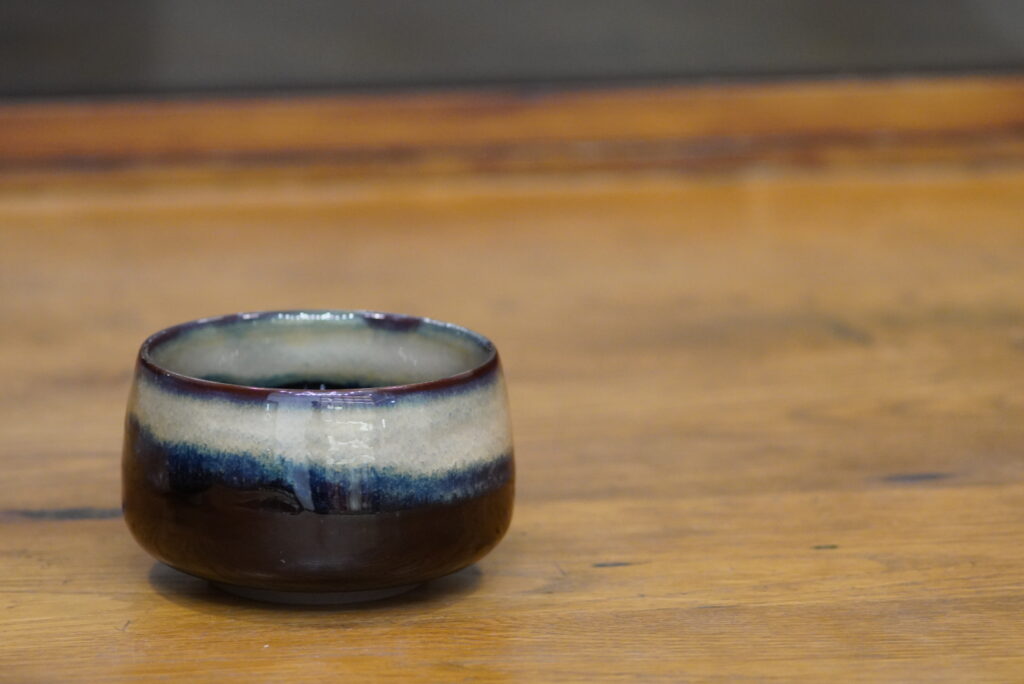
Matcha tea bowls, known as chawan, are traditional Japanese bowls used for preparing and drinking matcha in the Japanese tea ceremony. Their history dates back to the 12th–13th centuries, when the culture of drinking powdered green tea was introduced to Japan from China.
As the Japanese tea ceremony developed, these bowls evolved into specialized vessels designed for whisking and enjoying matcha. In the 16th century, the tea master Sen no Rikyū established the philosophy of wabi-cha, which emphasized simplicity and natural beauty, greatly influencing the design and aesthetic of matcha bowls.
A defining feature of a matcha bowl is its shape. The bowl typically has a wide opening and a rounded interior, allowing matcha to be whisked easily with a bamboo whisk.
The smooth interior helps create the fine foam that is characteristic of well-prepared matcha. Each bowl also has its own unique character, shaped by the clay, glaze, and firing process, giving every piece a slightly different texture and appearance.
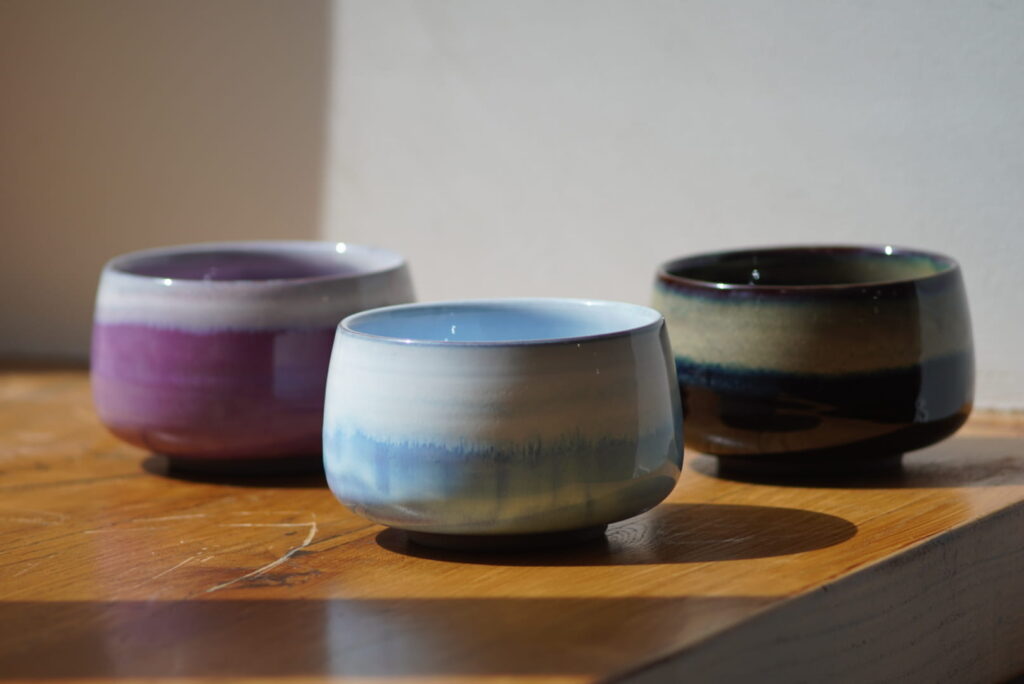
Different bowls may be used depending on the season. In summer, wider and more open bowls help the tea cool more quickly, while deeper bowls are preferred in winter to retain warmth. In the tea ceremony, a chawan is not merely a vessel but an important object to be appreciated by guests, who may examine its form, texture, and craftsmanship.
Today, matcha bowls are valued not only as tea utensils but also as works of ceramic art that reflect the aesthetics and cultural traditions of Japan. At AYANOMA, we offer matcha bowls crafted in renowned Japanese pottery regions such as Hasami and Mino. Please feel free to pick one up and experience it for yourself.