Mino Ware
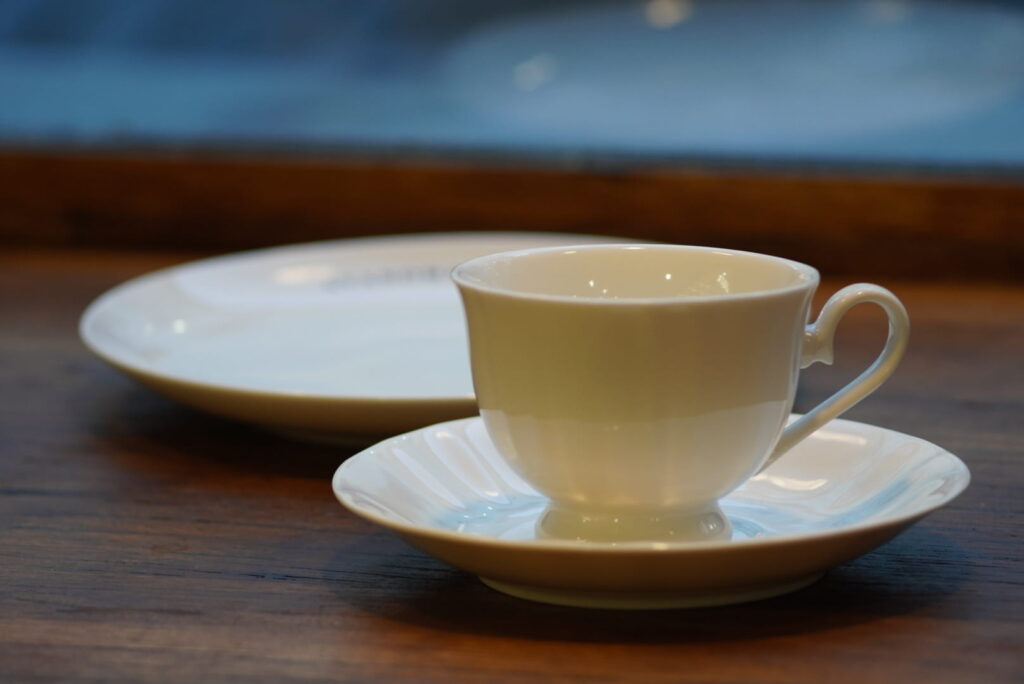
Mino Ware is one of Japan’s most widely produced types of ceramics, originating in the Tōno region of Gifu Prefecture. Its history spans over 1,300 years, beginning with the production of Sue ware in the late Kofun period.
During the Momoyama period, alongside the flourishing tea culture, Mino ware experienced a major artistic development. Iconic styles such as Shino, Oribe, Kiseto, and Setoguro emerged during this time, each reflecting a unique aspect of Japanese aesthetics.
One of the defining characteristics of Mino ware is its remarkable diversity. Rather than being limited to a single style, it has evolved over time to include a wide range of techniques and designs suited to different purposes. From rustic, warm textures to bold and innovative patterns, Mino ware encompasses everything from everyday tableware to highly artistic pieces. In fact, it is said that a large portion of the ceramics used on dining tables in Japan today belongs to Mino ware.
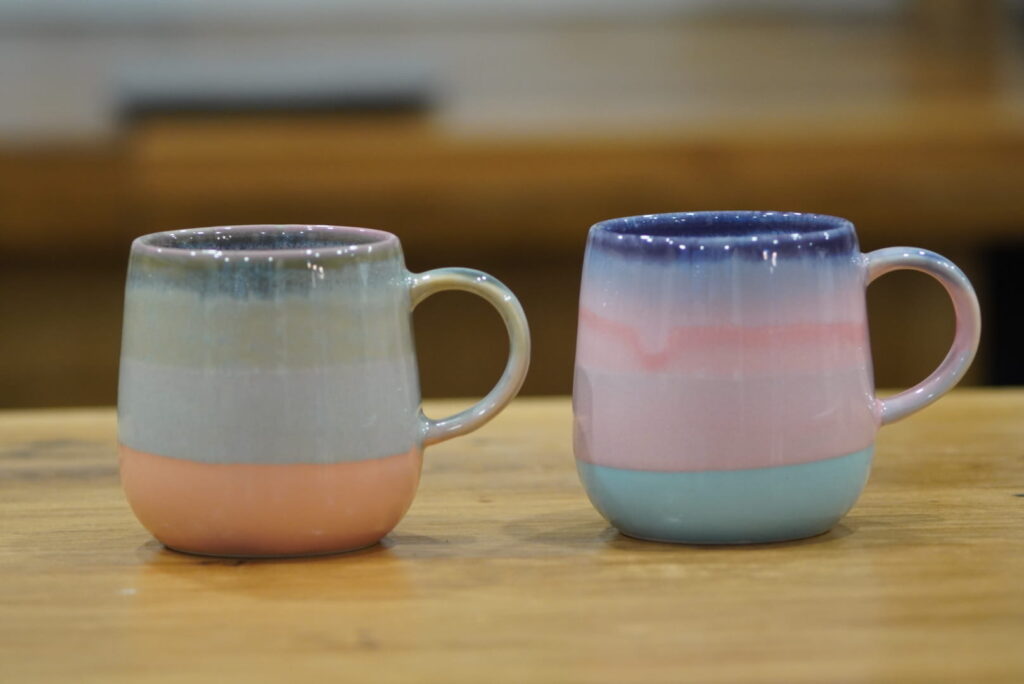
In modern times, Mino ware continues to evolve by combining traditional craftsmanship with contemporary design and functionality. Its versatility allows it to complement not only Japanese cuisine but also Western and international dishes. As a result, Mino ware is highly valued both in Japan and abroad as a form of ceramic art that beautifully balances practicality and aesthetic appeal.
The cups, saucers, and dessert plates used at AYANOMA are High quality Mino ware, crafted by a kiln in Gifu Prefecture that has been in operation since 1948. We also offer Mino ware matcha bowls for sale in the gallery café.