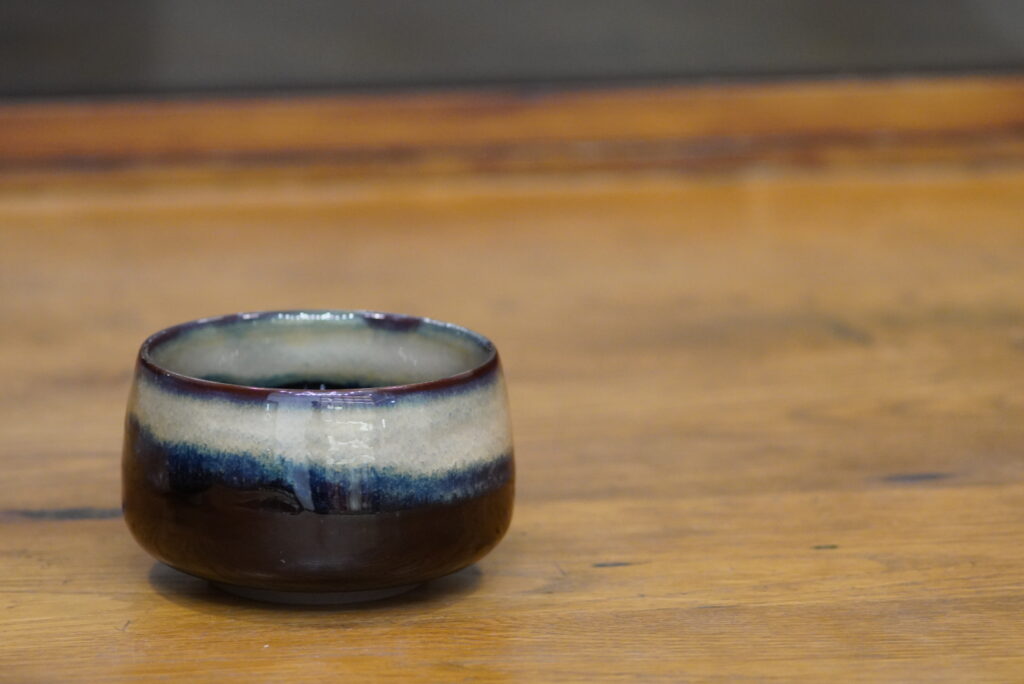
At AYANOMA, we use a variety of crafts that reflect Japanese techniques and spirit.
Some items are available for purchase in store.
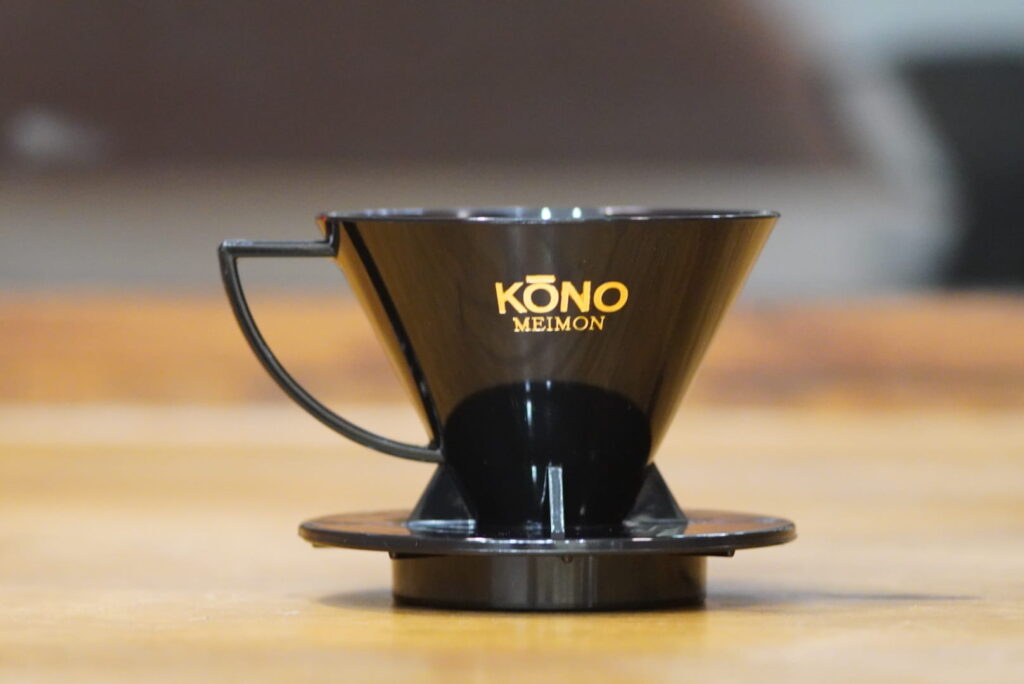
KONO Meimon Filter
The KONO Meimon Filter is a hand-drip coffee filter developed by the Japanese company Coffee Syphon Co., Ltd., a long-established manufacturer of coffee equipment. Founded in 1925, the company became known as one of the first in Japan to produce siphon coffee makers. Through many years of research and refinement of coffee brewing tools, the KONO Meimon Dripper was introduced in 1973.
Mino Ware
Mino Ware is one of Japan’s most widely produced types of ceramics, originating in the Tōno region of Gifu Prefecture. Its history spans over 1,300 years, beginning with the production of Sue ware in the late Kofun period.
During the Momoyama period, alongside the flourishing tea culture, Mino ware experienced a major artistic development. Iconic styles such as Shino, Oribe, Kiseto, and Setoguro emerged during this time, each reflecting a unique aspect of Japanese aesthetics.
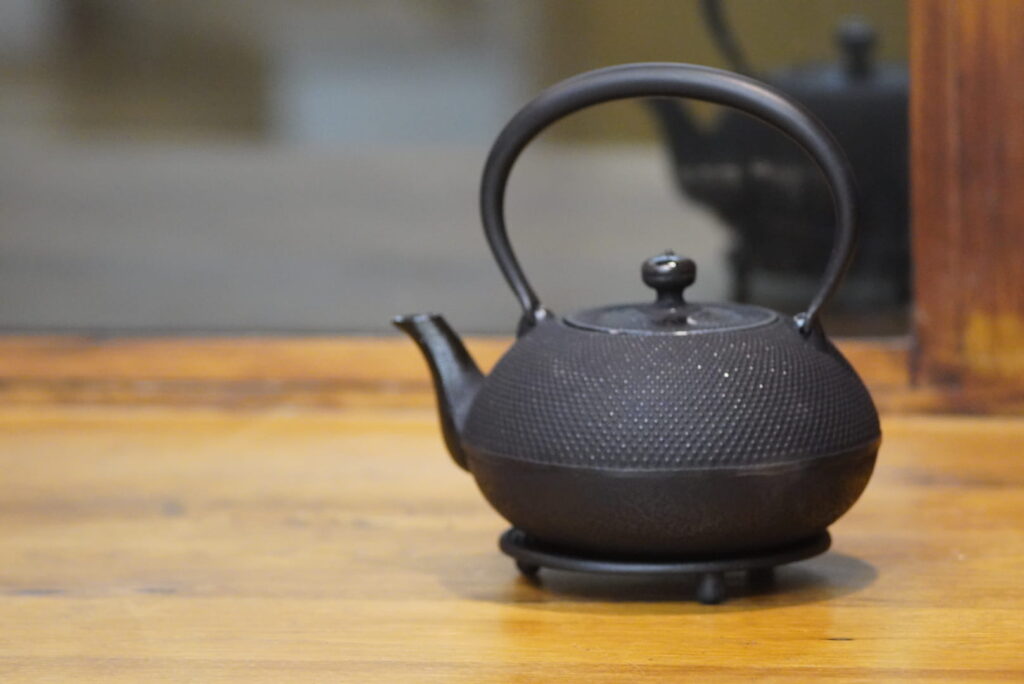
Nanbu Tetsubin
Nanbu Tetsubin is a traditional Japanese cast-iron kettle and one of the most well-known products of Nanbu ironware, a craft that originated in Iwate Prefecture in northern Japan.
Its history dates back to the 17th century, when iron kettles began to develop alongside the culture of the Japanese tea ceremony. Over the centuries, artisans refined their techniques, and the tetsubin became both a practical household tool and a symbol of Japanese craftsmanship deeply connected to everyday life.
JAPAN Kutani
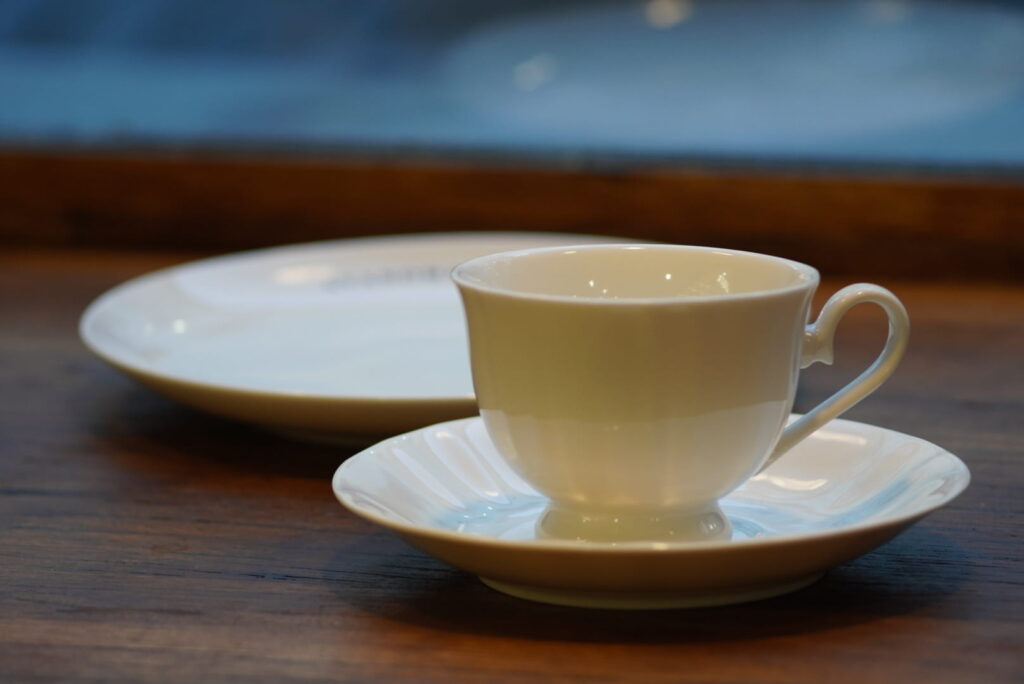
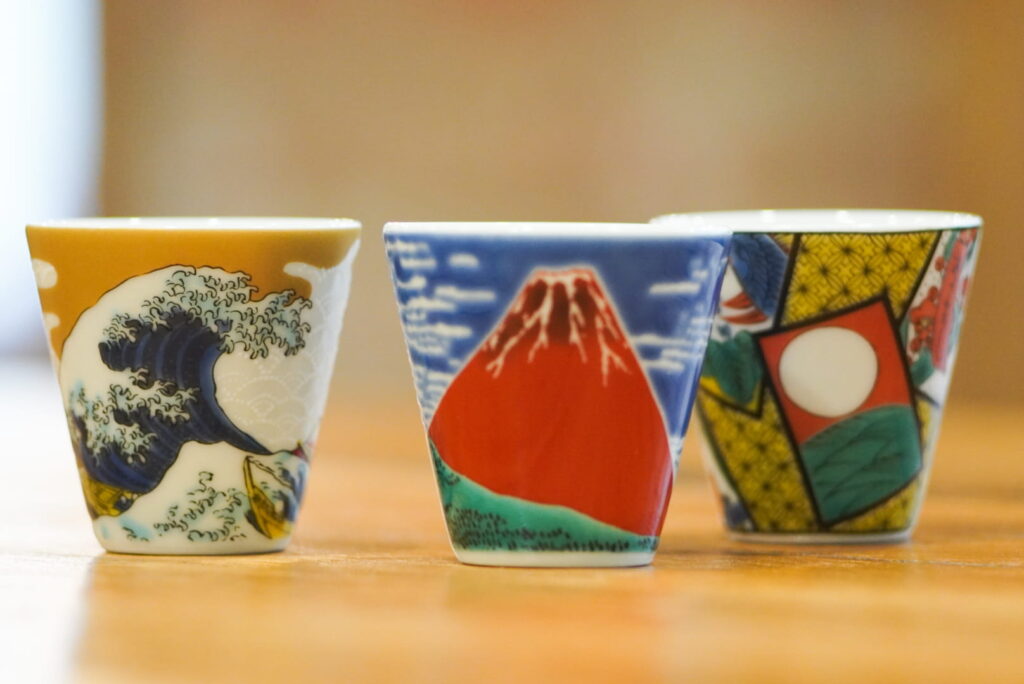
Kutani Ware, as known as Japan Kutani is one of Japan’s most celebrated styles of traditional porcelain, originating in Ishikawa Prefecture. Its history dates back to the 17th century, when porcelain production began in the Kaga region.
Over time, Kutani ware developed into a distinctive form of ceramic art that reflects the rich aesthetics of Japanese culture. Today, it is widely recognized as an important traditional craft of Japan and is appreciated both domestically and internationally.
Furoshiki Cloth
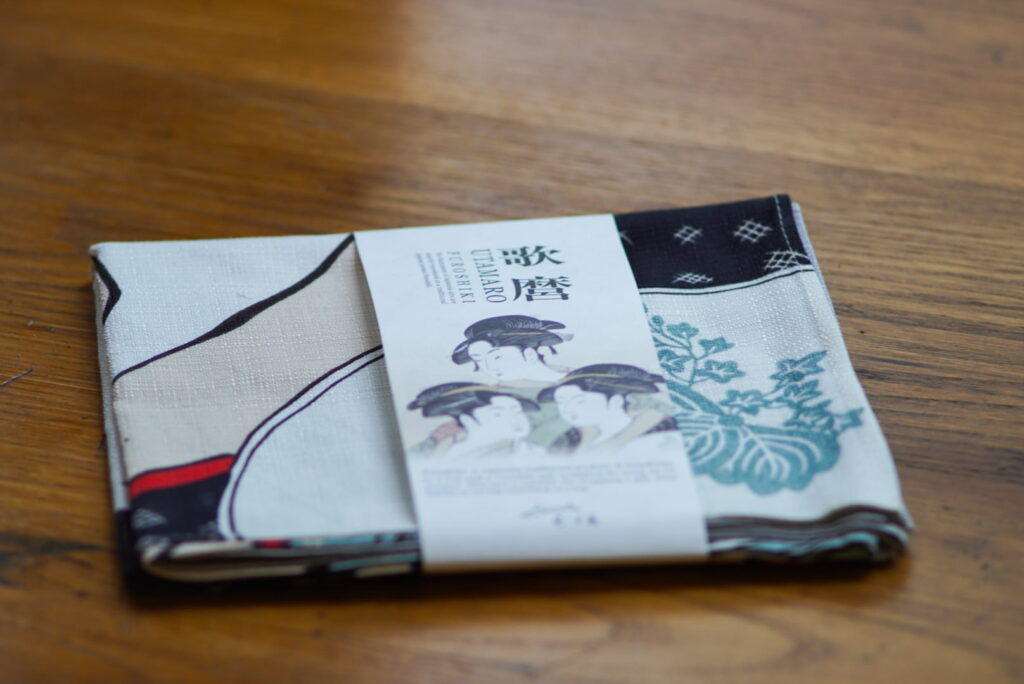
Furoshiki cloth is a traditional Japanese square cloth used to wrap, carry, and store items. Its origins are believed to date back to around the Nara period (8th century), when cloths were used in temples and imperial courts to protect and transport clothing.
The term furoshiki became common during the Muromachi period, when people used these cloths to wrap their belongings at public bathhouses.
Matcha Tea Bowls
Matcha tea bowls, known as chawan, are traditional Japanese bowls used for preparing and drinking matcha in the Japanese tea ceremony. Their history dates back to the 12th–13th centuries, when the culture of drinking powdered green tea was introduced to Japan from China.
As the Japanese tea ceremony developed, these bowls evolved into specialized vessels designed for whisking and enjoying matcha. In the 16th century, the tea master Sen no Rikyū established the philosophy of wabi-cha, which emphasized simplicity and natural beauty, greatly influencing the design and aesthetic of matcha bowls.